Exterior Painting in Brisbane: Protecting Your Home from Sun, Storms & Humidity
How extreme UV levels, high humidity and storm season impact paint performance and what Brisbane homeowners can do to extend lifespan.
Brisbane is beautiful, but one of Australia’s toughest places for exterior paint. Intense UV, humidity, and storms constantly test your home’s protection. Investing in professional exterior painting isn’t just about looks—it protects your property from long-term damage.
Once you recognise how Brisbane’s climate impacts exterior paint, you can make informed choices about which products to use, how to prepare surfaces, and when to repaint. This foundational knowledge lays the groundwork for understanding the unique challenges homeowners face in the area.
Why Brisbane’s Climate Breaks Down Exterior Paint Faster
Extreme UV Radiation
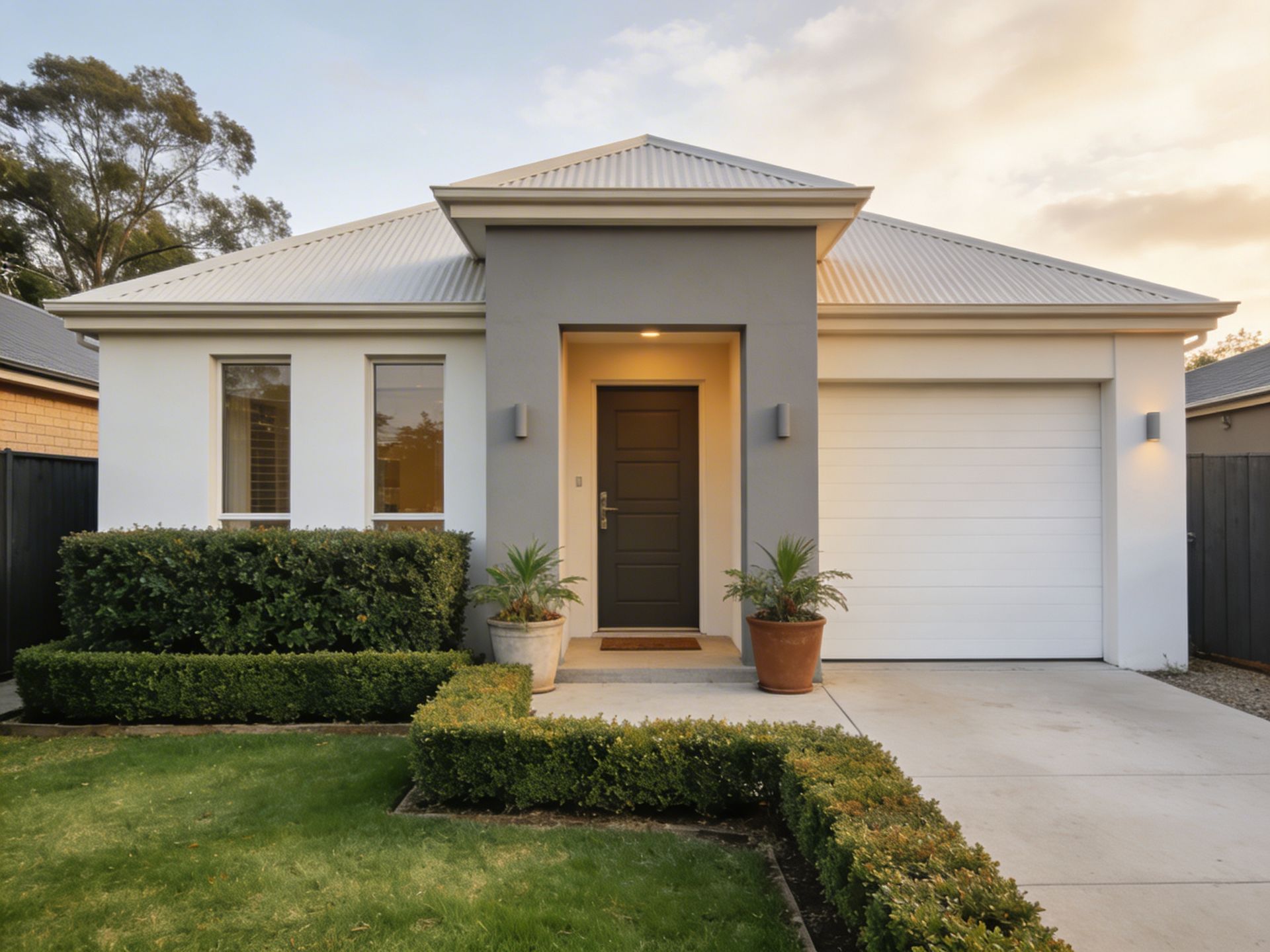
Queensland consistently records some of the highest UV levels in the world. According to ARPANSA, Brisbane’s UV Index frequently reaches “Extreme” (11+) during summer months. That level of radiation rapidly degrades paint films.
Prolonged UV exposure fades colours, causes chalking, and makes coatings brittle. As flexibility drops, cracking and peeling begin.
Paint manufacturers such as Dulux confirm that in high-UV climates like Brisbane, exterior coatings may need repainting every 5–7 years, a shorter lifespan than in milder southern cities. This often surprises homeowners who assume exterior paint performs the same nationwide.
Dark colours absorb more heat, increasing surface temperatures and accelerating expansion and contraction cycles — another contributor to early paint failure.
High Humidity and Moisture Exposure
Brisbane’s humidity adds another layer of stress. The Bureau of Meteorology reports that the city’s average annual relative humidity is 60–70%, with summer mornings often exceeding 75%.
High humidity during application slows drying and can compromise adhesion. It also encourages mould and mildew on shaded or south-facing walls.
When mould develops beneath or within the paint film, it weakens adhesion and significantly shortens the lifespan.
Storm Season and Rapid Temperature Changes
Brisbane storms bring heavy rain, wind, and rapid temperature changes. Rainwater seeps into cracks and joints. As surfaces heat and cool, they expand and contract, stressing paint.
Over time, this repeated movement reduces the bond strength between the paint and the substrate. Bubbling, blistering, and peeling often follow.
These environmental challenges combine to create an especially harsh setting for exterior coatings. Because of this, selecting paint suitable for Brisbane’s demanding conditions becomes crucial for long-term protection.
Choosing the Right Paint for Brisbane Conditions
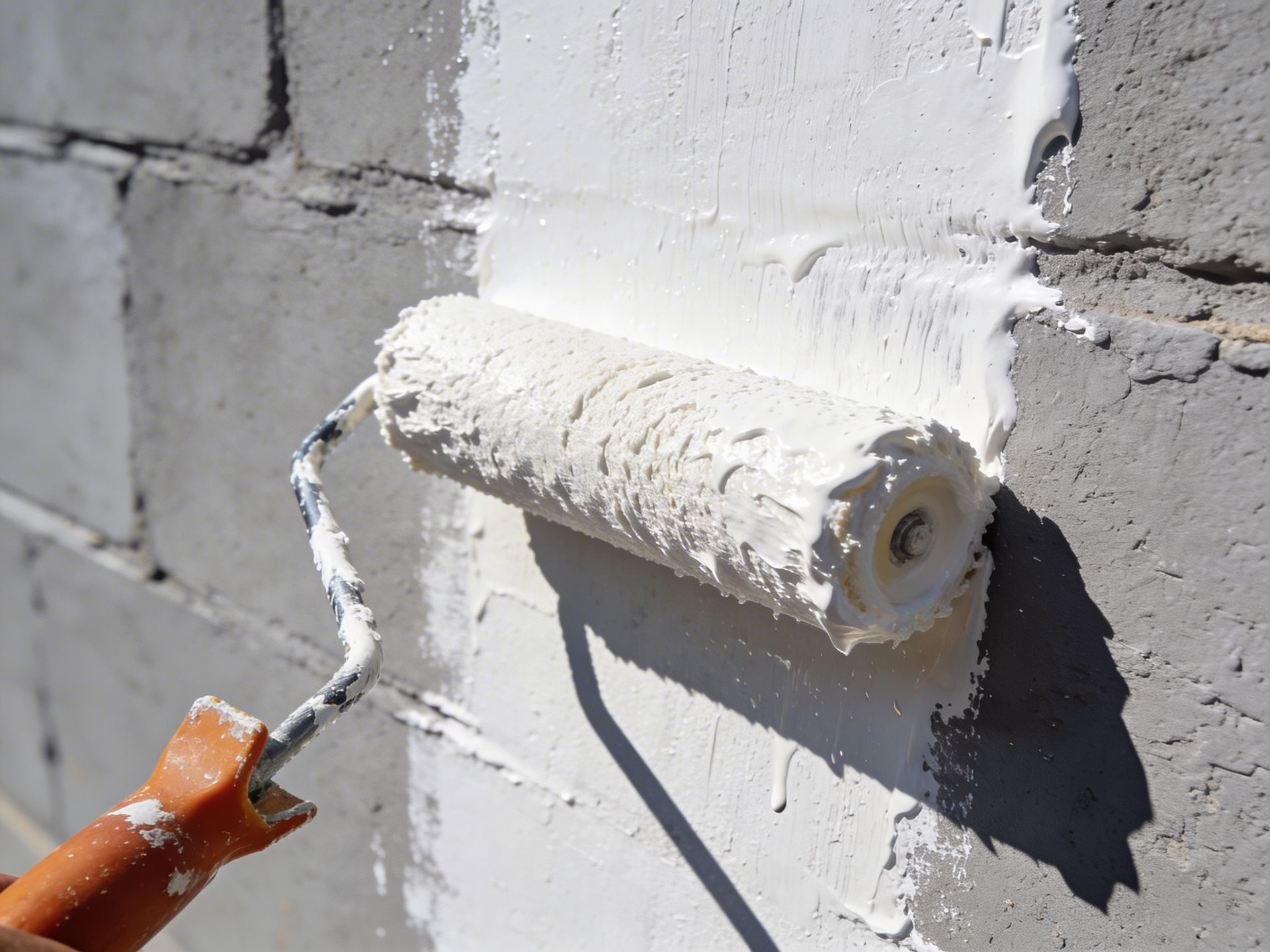
Because Brisbane’s climate is demanding, product selection matters more than in cooler regions.
Acrylic-Based Exterior Paints
High-quality acrylic paints are best for Queensland homes. They stay flexible with temperature shifts and resist moisture better than oil-based paints.
Look for products with high solids content, as they create thicker, more durable protective films that withstand UV exposure better.
UV-Resistant Formulations
Premium exterior paints use UV-resistant additives for Australian conditions. These are slow fading and surface degradation, especially on sun-exposed walls.
Investing in UV-resistant technology can extend your repaint cycle by years.
Mould-Resistant Technology
In high-humidity environments, mould-resistant additives are vital. Anti-fungal paints help prevent staining and biological growth, reducing maintenance and protecting the paint film.
Colour Choice and Longevity
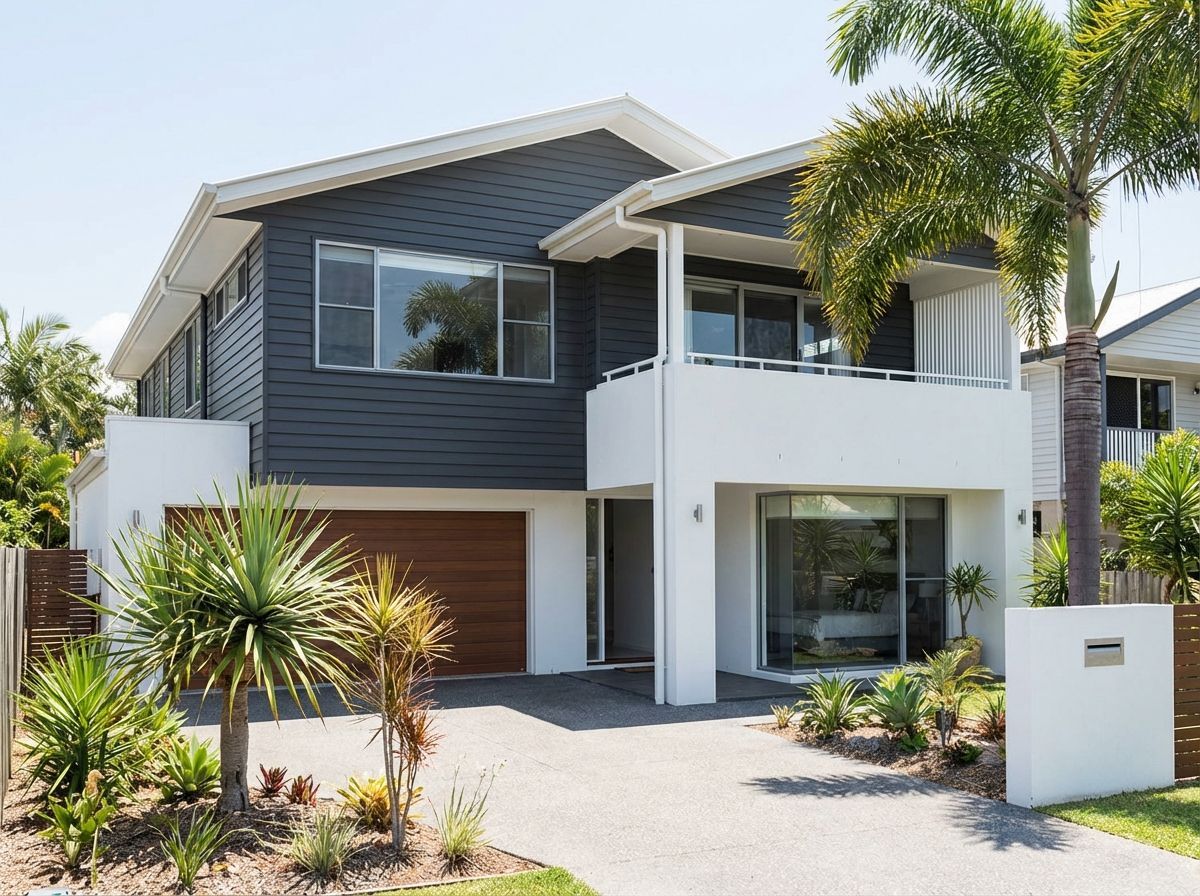
Colour affects more than looks. Lighter shades reflect heat and perform longer under the sun. Darker tones need products rated for high-heat environments.
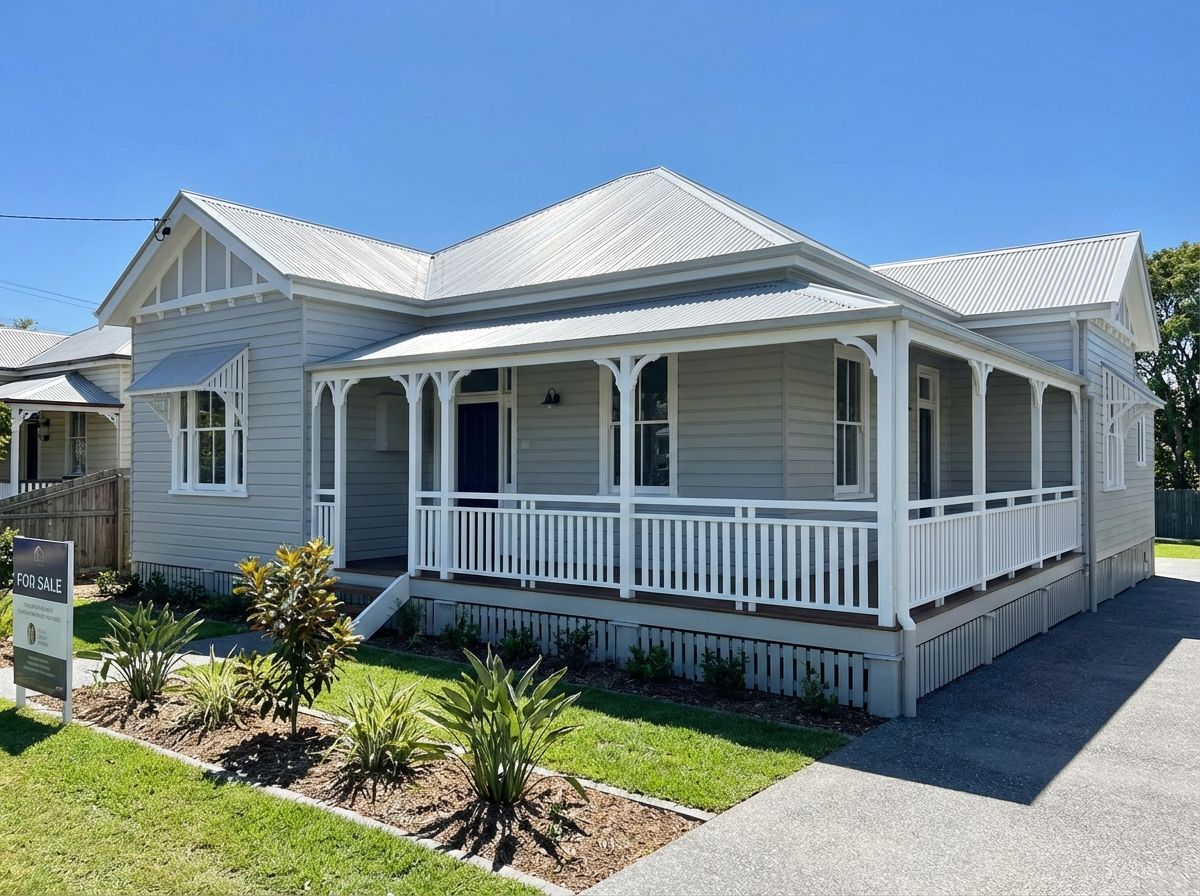
If you’re weighing both durability and style, neutral paint colours for Brisbane homes often provide the best balance of longevity and timeless appeal.
Surface Preparation: Where Longevity Is Won or Lost
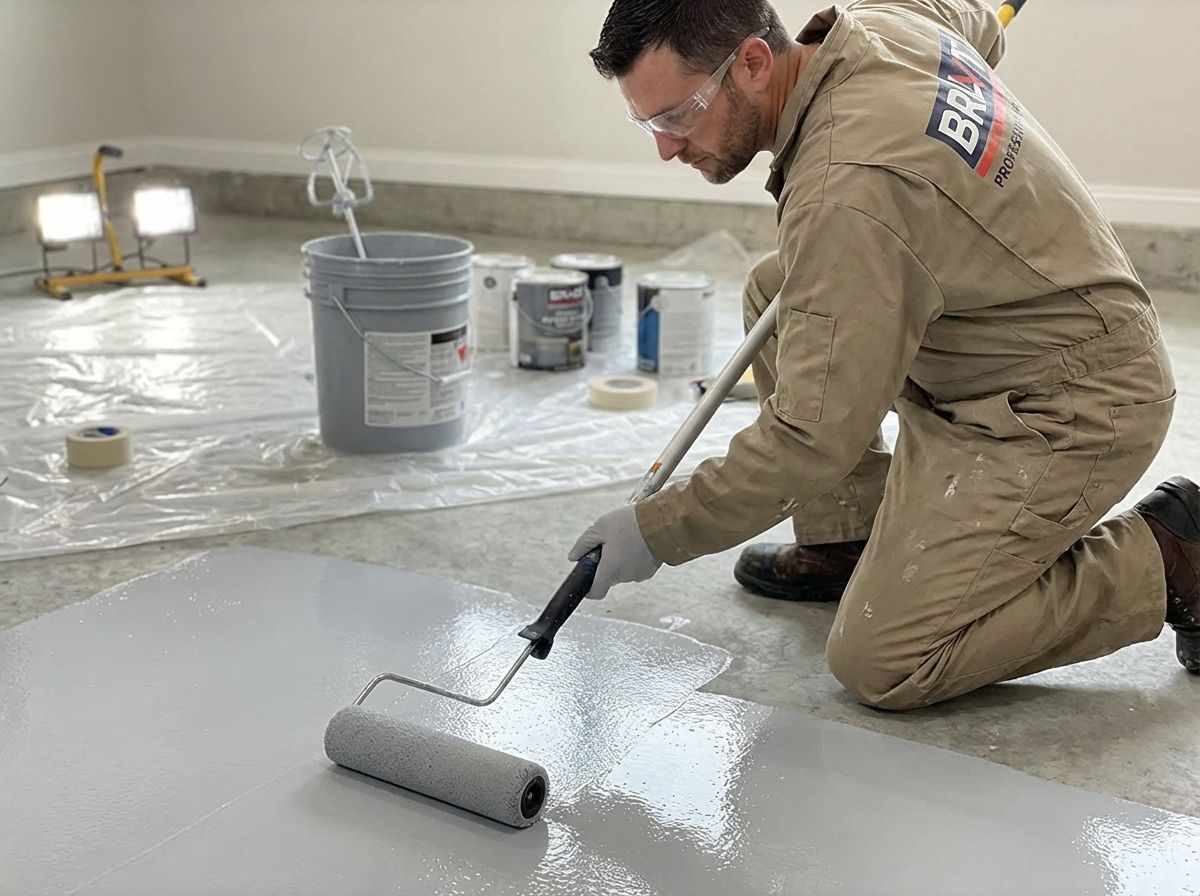
In Brisbane, preparation is the foundation for a lasting paint job. Proper exterior painting begins with thorough pressure washing to remove dirt, chalking, mould, and contaminants. Painting over these materials traps moisture, which can lead to premature failure.
All loose or peeling paint must be removed completely before recoating. Skipping this step may reduce labour costs upfront, but almost always leads to bubbling within a few seasons.
Timber needs priming and sealing to prevent water ingress. Masonry and render may need treatment for efflorescence before painting. Unchecked salt deposits can break the bond between the paint and the substrate.
Preparation usually decides whether a paint job lasts three or ten years.
Timing matters, too.
Let’s look at when the Brisbane climate offers the best conditions for exterior painting to ensure the best results.
- Painting is possible year-round, but April to September is best. Cooler, drier months have less humidity and fewer storms, improving curing.
- Painting in extreme heat (over 35°C) dries too quickly, reducing durability. Painting before rain risks wash-off and adhesion issues.
If you’re unsure whether your home is due for repainting, our guide on how often exterior house painting is needed outlines recommended cycles and warning signs specific to Brisbane’s climate.
What Professional Exterior Painters Do Differently
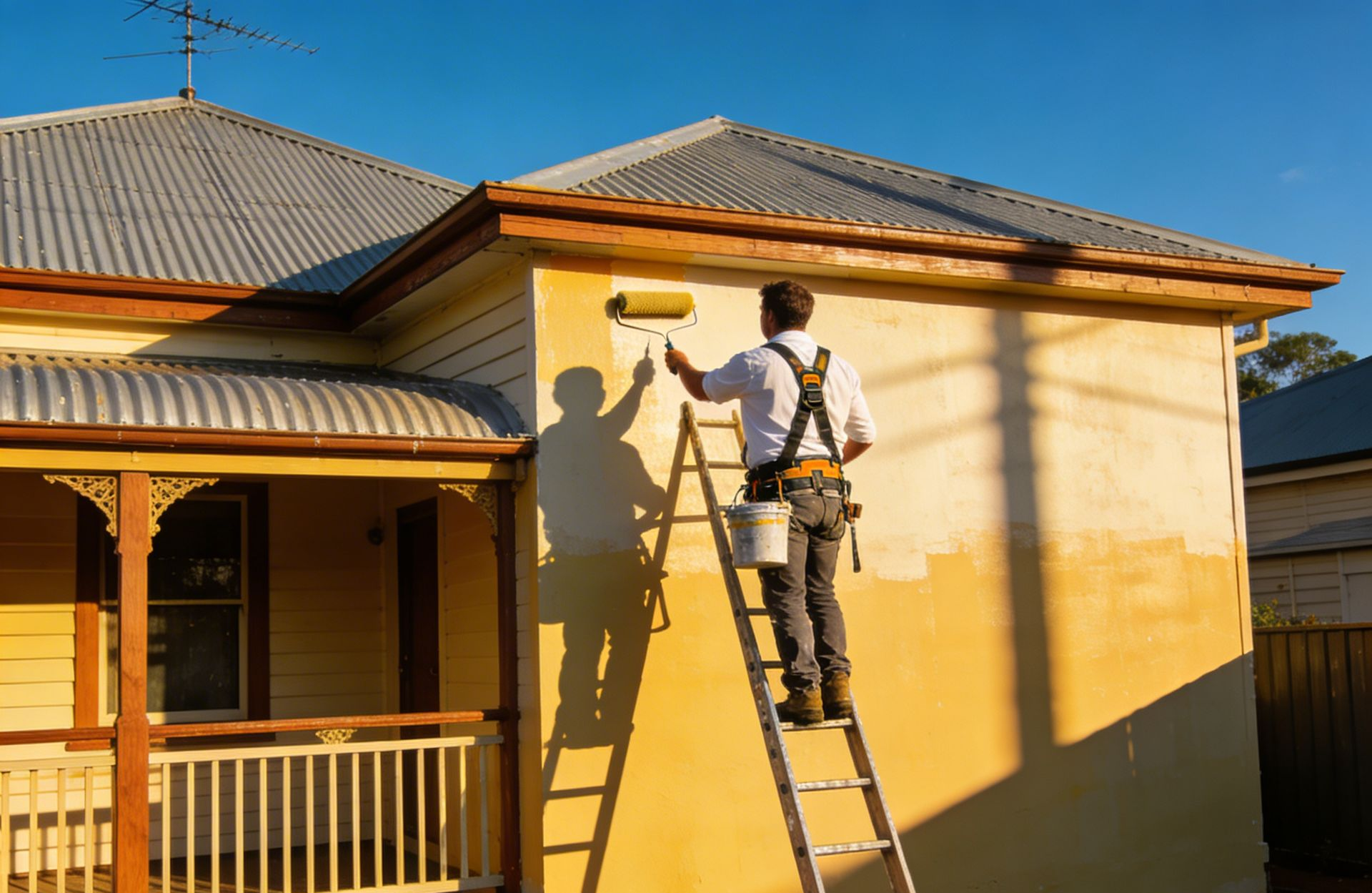
Experienced exterior painters in Brisbane understand that climate adaptation is not optional.
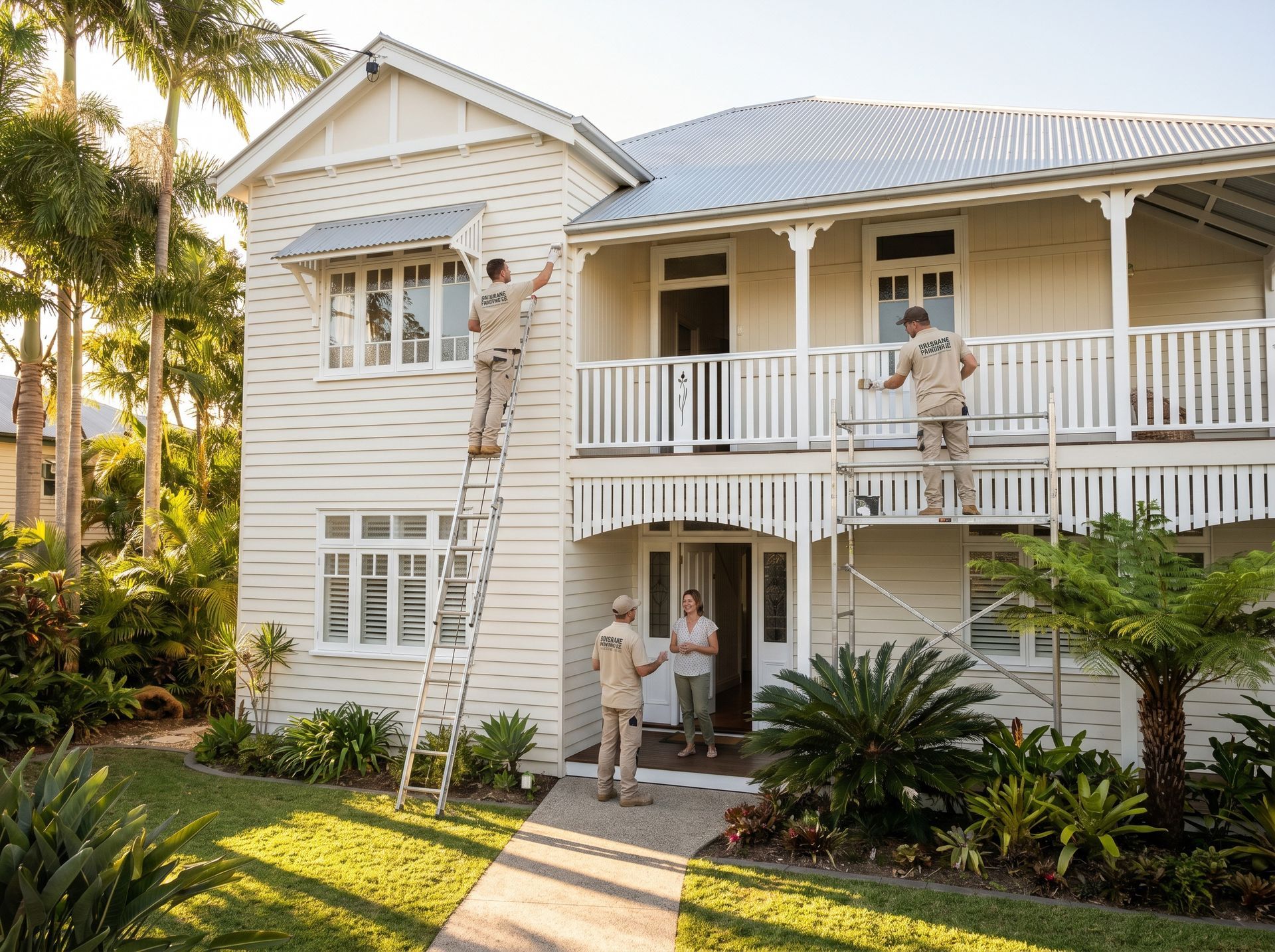
A professional process begins with a detailed inspection to identify cracking, failing caulking, moisture intrusion, or early signs of rot. Addressing these issues before painting is critical to long-term success.
Product recommendations should be tailored to your home’s orientation, substrate, and exposure. A one-size-fits-all approach rarely works in Queensland.
A quality system uses a primer and two top coats. This builds thickness and improves UV and moisture resistance.
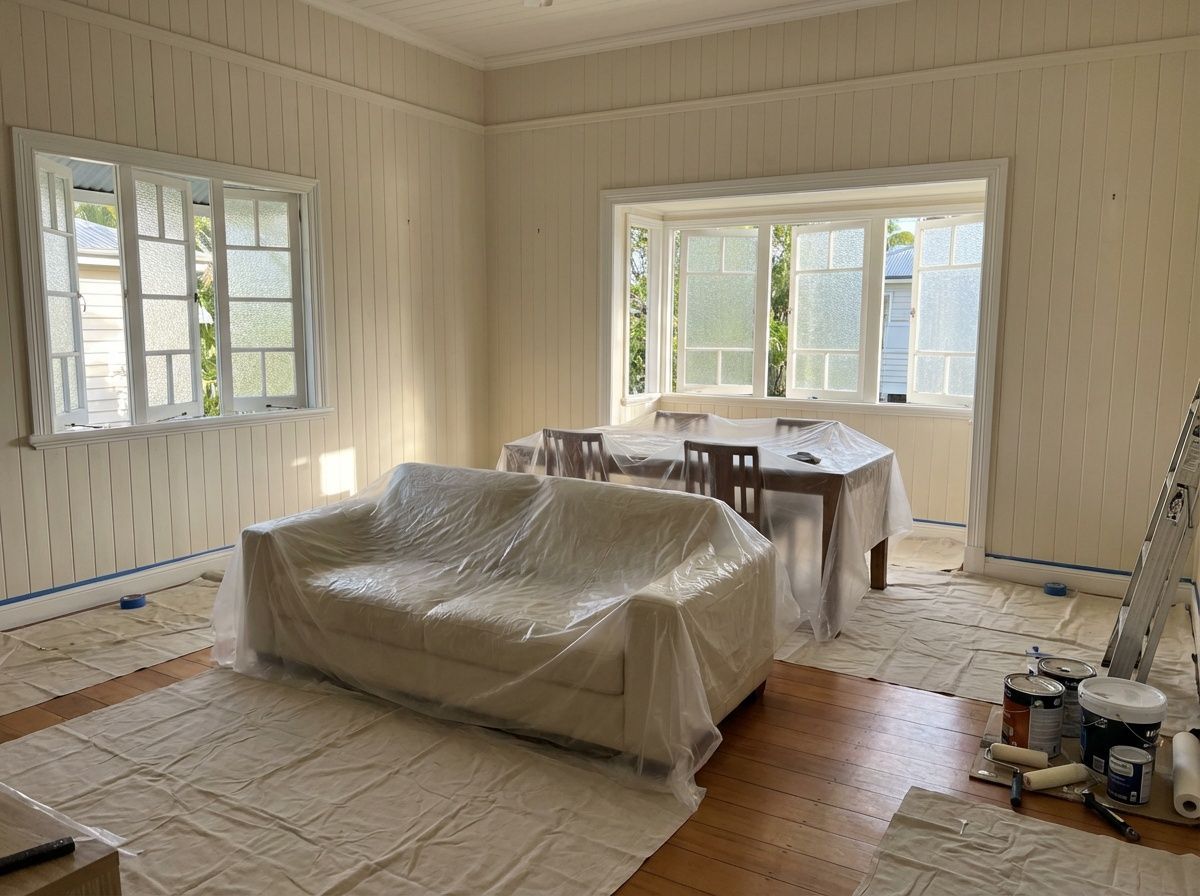
Attention to details—like clean masking lines, sealed joints, and proper curing—sets professional finishes apart.
Protecting Your Home for the Long Term
Regular inspection maintains even the best paint system. Checking your home’s exterior twice a year — ideally before and after storm season — helps identify minor issues early. Look for cracked caulking, uneven fading, early chalking, or mould. Fixing small problems early extends the life of your paint system. In a climate with extreme temperatures, exterior painting should be seen as preventive maintenance rather than a cosmetic enhancement.
Final Thoughts: Why Quality Exterior Painting Matters in Brisbane
With extreme UV, high humidity, and regular storms, Brisbane is one of Australia’s harshest testing grounds for exterior coatings. Quality preparation, UV-resistant products, mould-resistant technology, and correct application timing are essential for durability.
When done properly, professional exterior painting protects your home’s structure, preserves property value, and prevents far more expensive repairs in the future.
If you’re considering professional exterior painting services in Brisbane, work with experienced painters who know local conditions for lasting results.